Wood is a vitally important natural resource. Sometimes people think that harvesting it is a bad thing; however, this is hardly the case. In fact, we are protecting and preserving that natural resource through responsible use. Wood is the only renewable construction material. Plastic and aluminum use up valuable nonrenewable natural resources. Ninety-five percent of every tree cut down is used to make products such as construction lumber, plywood, wood chips, and sawdust. Even the bark is used in landscaping. The remaining 5% is made up of branches left in the forest to biodegrade naturally and enrich the soil, helping saplings to grow.
Careful use of the forests, including selective cutting methods, helps to promote new tree growth, and increased sunlight allows for a greater diversity of species and their survival over time. When forests become old or overcrowded, trees stop growing and begin to decay. They release carbon dioxide that contributes to the greenhouse effect. Responsible harvesting of forests and reforestation lock in the carbon and ensures a continual supply of oxygen-producing trees. Reforestation actually removes carbon dioxide from the atmosphere and puts it somewhere else, like in the mass of a live, growing forest. This is a vital part of reducing carbon emissions, offsetting “carbon footprints” and providing time to transition to a clean energy economy.
Reforestation is the restocking of existing forests and woodlands, which have been depleted, with native tree stock. It can also refer to the process of restoring and recreating areas of woodlands or forest that once existed but were deforested or otherwise removed or destroyed at some point in time. Simply put, reforestation causes a forest to grow again. The resulting forest can provide both ecosystem and resource benefits and has the potential to become a major carbon sink (a natural carbon dioxide reservoir that removes carbon from the atmosphere and releases oxygen back into it).
Reforestation occurs by allowing a deforested land to be undisturbed for several years or by replanting native species in open areas or adjacent to the remaining forest. Native forests are resilient and may re-establish themselves quickly by letting nature take its own course. Pressure on forests can be relieved by creating tree farms for the sole purpose of harvesting them for sale or manufacture, such as in the wood flooring, pulp and paper industries. This method of replanting trees whenever some are cut down is similar to harvesting of other crops.
Reforestation can provided other benefits in addition to financial returns, including restoration of the soil, rejuvenation of local flora and fauna, and capturing and sequestering 38 tons of carbon dioxide per hectare per year. It also helps protect the natural habitats of some animal species and prevent shoreline erosion. So, ultimately, reforestation is very important, not only for the industry but also our environment.
Tuesday, August 26, 2008
What is Reforestation? Is it Important?
| eco-friendly, environment, environmentally friendly, hardwood species, industry updates, reforestation, renewable resource, wood, wood species Tuesday, August 26, 2008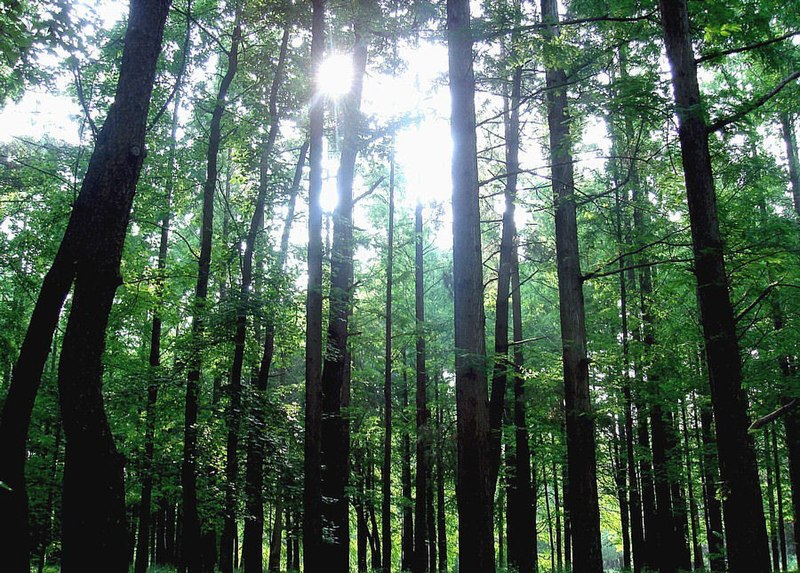

Monday, August 4, 2008
Bamboo
| alternative flooring materials, bamboo flooring, eco-friendly, engineered wood flooring, environmentally friendly, hardwood species, renewable resource, wood, wood species Monday, August 4, 2008
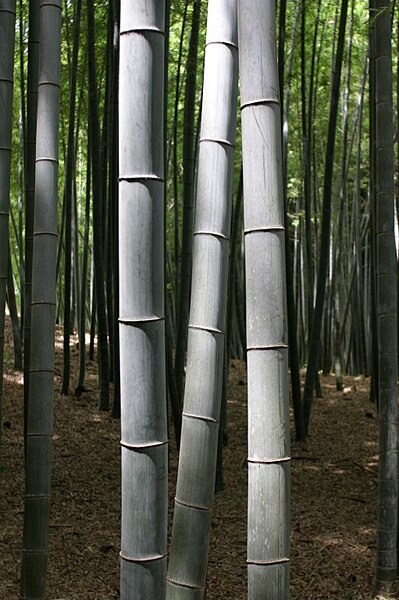
As one of nature’s most renewable gifts, bamboo has been used in many ways since the beginning of time. In modern times, it has become the wood of choice for making both decorative and practical items that are aesthetically pleasing as well as environmentally friendly. Bamboo will give you the natural beauty of hardwood flooring in your home without the detrimental effect on the environment. Bamboo is one of the hardest natural materials available for flooring use, and is an excellent alternative to tree wood, because of its extremely fast growth speed. Because bamboo is a rapid growing grass, and not wood, it can be harvested every 3-5 years, unlike 15-25 years for most tree wood, or up to 120 years for oak! Here are couple interesting facts about bamboo:
• It can also reach maximal growth rate exceeding one meter (40 inches) per hour for short periods of time
• 6 million people in China work in bamboo and 600 million people worldwide rely on income from it
Growth speed makes bamboo a very environmentally friendly product for flooring. When it’s harvested, it grows back – just like your lawn. But unlike your grass, bamboo is hard – 25% harder than red oak, but equally as strong. Bamboo is also blessed with colorful tones and distinctive grains. Such sustainability, strength and beauty are major reasons why bamboo has grown to become one of the most popular flooring choices in America.
Bamboo flooring is available in countless colors and styles, which will compliment any interior design. From ultra-contemporary chic, to a more traditional, classic style, natural bamboo flooring will give you a truly unique look.
With high sustainability and environmentally sound origins, bamboo flooring has become a great choice for those looking to decorate their homes or workplaces with the beauty of a wood floor while being environmentally conscious. Because of this, consumers are increasingly choosing to install bamboo flooring in place of traditional hardwood.
There is no question that bamboo is a renewable resource and has been recognized as a “green material.” Quoting Environmental Building News, “Environmentally, it’s hard to argue with a wood substitute that matures in three years, regenerates without need for replanting, and requires minimal fertilization or pesticides.”
Visit GateWoodFloors.com and check out our selection of bamboo. It’s one of the biggest selections you’ll find anywhere!
Thursday, July 24, 2008
Hardwood Flooring 101
| calculate, care and maintenance, diy installation, hardwood floor basics, hardwood species, types and grades Thursday, July 24, 2008You will find an overwhelming number of websites with information and how-to’s. Using our experience as professional hardwood flooring installers, and as homeowners, we’ve answered some of the general questions you have about hardwood flooring and where to start. To get you started, here is an introduction to some great basic information and how-to-choose guides:
Species:
Let’s start with Hardwood Species. What’s popular? Which one should I use? The answers to these questions lies strictly within you. Your taste, your style, your color preference, your purpose, the look you want – you, you, you!
Which species is harder? For the answers to questions like these, check out the Hardwood Species Guide at GateWoodFloors.com!
Types & Grades:
On the list of things to consider when purchasing hardwood flooring is “What type of flooring do you need or prefer?” Solid 3/4” thick hardwood flooring is what most people think of when someone says “hardwood floors.” But there are more options today than ever before. The area in which you are installing the new hardwood flooring will dictate what type of flooring you will be able to use. “On” or “Above Grade” is any room at ground level and up. “Below Grade” is any room below ground level. Your choices are Solid, Engineered, or Laminate. Solid hardwood flooring is available in both Unfinished and Prefinished and can only be installed “On” or “Above Grade.” Engineered wood flooring also comes in Unfinished or Prefinished but can be used at any level - “On,” “Above” or “Below Grade.” Laminate flooring is only available in Prefinished, and can also be used at any level. Moisture varies at each level, and should be taken into consideration when deciding what type of flooring to install. For more detailed information, check out the Products Guide at GateWoodFloors.com!
Time to Calculate:
You’ll need to calculate how much flooring is required before you make your purchase. We can show you how in 4 easy steps!
Doing It Yourself?
You will first need to determine your method for installation. Depending on the type of flooring you’re installing can choose “Nail Down,” “Glue Down,” or “Floating” installation. Read our Do-It-Yourself Guide for much much more!
Care & Maintenance:
After your flooring is installed, you probably have questions about how to care for it, especially in different seasons. What about pets? We’ve answered some of your most frequently asked questions right here!
Upon first glance, it seems as if installing a new hardwood floor is a monumental task. At GateWood Floors, we keep it simple. Visit our extensive Buyer’s Guide. In just a few minutes you will get all the info you need to get a hardwood floor that gives you a lifetime of pleasure.